
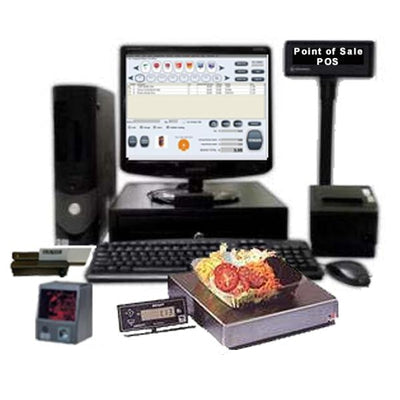
The tools that drive the retail and service industries are evolving. At the center of this transformation is the modern POS point of sale system, comprised of software and hardware that go well beyond cash registers and receipts. The focus is no longer just on capturing payments. Point of Sales Experience is now about operational intelligence, customer insights, and seamless integration throughout the enterprise.
The Heart of POS Software: Beyond Transactions
While a traditional setup may handle simple transactions but point of sale POS software serves as a command center. It monitors inventory sold, updates inventory levels automatically and also sends out alerts when product stocks are at a low level. It records sales history and preferences. Each transaction is turned into valuable data for future purchase decisions and marketing.
A reliable POS system’s ability to link departments is one of its least-known features. Some systems, instead of managing payroll in isolation, have time clock functions that directly affect employee scheduling and wage calculation. This leads to a more efficient workflow and less administrative headaches.
For companies that have a physical and online presence, today’s POS software offers vital syncing capabilities. Products listed in-store can mirror what’s on the internet in real time which can prevent double-selling and inventory not matching. The trend of shopping toward hybrid shopping, where customers may browse on the internet but then pick up their purchases in store makes this approach essential.
Why Integration Matters More Than Ever
Integration is where the modern POS point of sale system truly shines. No longer do you have to “talk” between different applications. The strength of a robust POS system is in the capability to integrate personnel management, sales, inventory and accounting.
Take into consideration the customer experience. One scan at the cash register can display a customer’s loyalty points and then apply discounts. It will also send them an electronic receipt. On the back end, the same sale updates the revenue totals inventory availability, as well as daily reports. This lets you enjoy a more personal shopping experience as well as reducing mistakes and manual input.
For managers and business owners, this level of insight is crucial. With accurate, real-time data readily available, they are able to respond faster to demand trends and adapt pricing strategies and ensure their team is properly staffed in peak hours.
The Long-Term Benefits of Smart Investment
It’s not surprising that more and more companies are investing in POS systems. They deliver measurable results. The benefits of POS solutions are more than speed and accuracy. They can also aid in the ability to make better business decisions and sustain expansion. A properly implemented Point of Sale system can help you simplify your business operations and detect patterns you would have otherwise missed.
Additionally, with the growth in expectations for consumers, a modern point-of sale setup is a vital but unnoticed element of the consumer experience. Nowadays, customers demand speedy checkouts, accurate updates to inventory, and the ability to pay electronically. Businesses that meet these expectations increase trust and encourage the continuation of business.
Final Thoughts
Modern POS is more than just a tool for checkouts. It’s a link between your employees, you and your customers. A POS system that is right for your business will allow you make better choices and be more efficient.
To stay ahead in a competitive market requires being aware in the market, flexible and focusing on customers. With a smart, integrated POS point of sale system at your side it’s not just about making sales but also creating a sustainable business.